
How to ‘Systems Think’

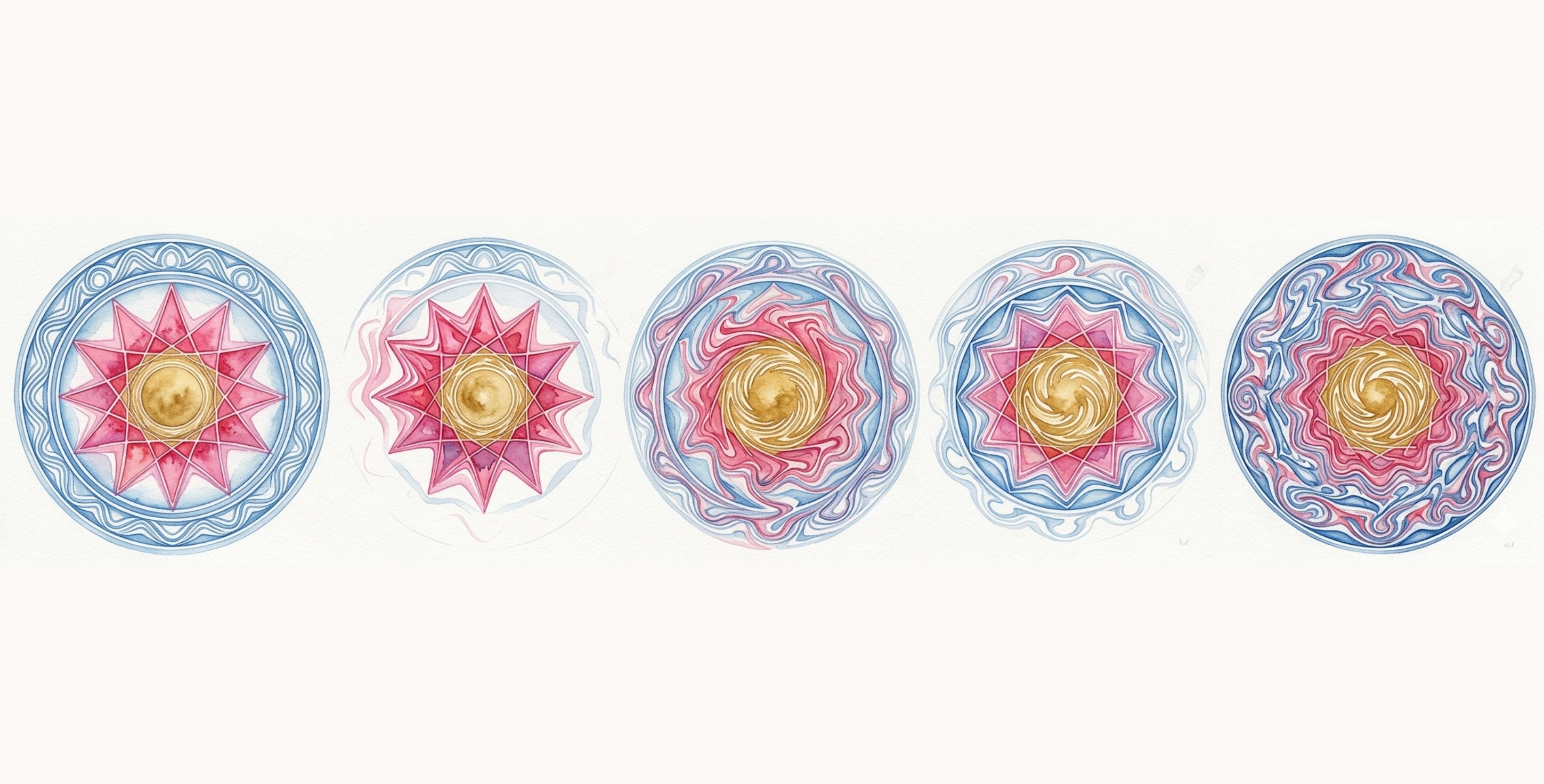
This is a raw take.
Systems thinking is not something I’ve studied, but it’s something I do and have been doing lately. I won’t talk about my work today other than to link the Map and last week’s taxonomy article — in case you want nitty gritty.
I’m going to put forth a philosophy and hope it clicks.
So what’s systems thinking?
From 2D to 3D to 4D landscapes
When you first visualize a system, you might see a 2D diagram, maybe one of those big map tables where they plan battle strategies in Game of Thrones.
But this map table behaves differently.
Picture this.
You poke one pressure point and ripples fan across the map, hitting the other pressure points, which in turn create ripples, again hitting every other pressure point, and so on.
Now you have a 3D landscape, or rather, since it’s changing with time, a 4D landscape.
How do you keep it from becoming chaotic?
Ripples and waves
Have you ever seen a pond rippling under a drizzle, or the centimeter of water by your feet in the shower? Look at the patterns.
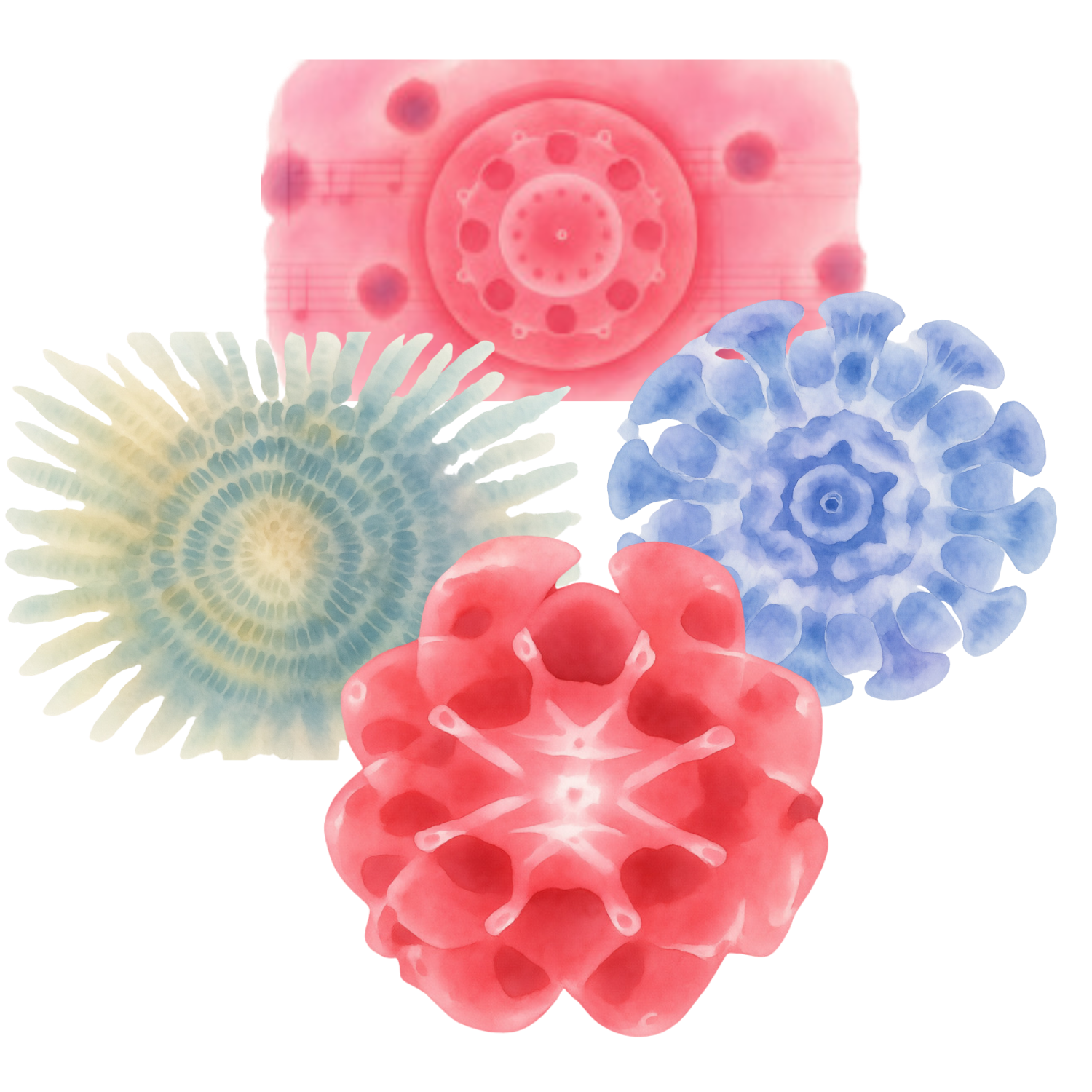
Better yet, have you ever seen how sound waves affect water? It’s called cymatics.
You can put a layer of water on the skin of, say, a tom-tom drum, then play different frequencies. Each frequency creates its own pattern.
Then you start putting tones together.
With harmony in general (before we put water on a drum), “dissonant” pairs of sound waves don’t line up. They clash in odd places. With “consonant” harmonies, the wavelengths fit, creating symmetries.
In cymatics, with our tom-tom drum, we add one more element—the size of the container.
For example, if our tom-tom drum is 10 cm in diameter (it’s a little one), perhaps a 90.1 Hz frequency will create nice patterns because the waves bounce off the rims just right, but 90.9 Hz will be a little off, creating chaos.
So how do we create change in a system?
There’s no such thing, in practice, as a single person “designing” a system. You design a model for a system, and if you’re influential, you might come close to implementing it in the real world the way you designed it.
But even then, the best any one person can do is design their influence on the system. You design a sound wave that resonates.
You observe how, when you combine two frequencies, the effects change. You add a third frequency, a fourth, a fifth—and it creates something like a bunch of diamonds, but you want hexagons. So you turn the knobs on your frequencies until you find the tones that work. You remove or tweak any sound that doesn’t fit. Finally, you see the pattern you want resonating across the water.
You apply your design to your 4D Game-of-Thrones-style battle-strategy map table. You tweak it a little more for this new container shape, and you like what you see.
Then you look out the window of your castle, into the world, and you wonder if you can create the same effect out there.
If your conviction is strong enough, you know you will, but you can’t know all the forces you’ll be up against until you go out there.
Thinking power has gotten you this far on its own, but now you have to start engaging your heart. It takes courage to take your plan into the world. You’ll face obstacles you never imagined in your battle-strategy map room.
You won’t be playing with sound waves, water, and a drum. You’ll be one ‘frequency’ among many in a big body of water.
You’ll have to adapt and persist to realize the influence you envisioned.